The claim is straightforward: Waymo says it will start a robotaxi service in Tokyo next year, and the move is framed as part of an Asia push. That is the whole of what the evidence supports. There is no stated month, no neighbourhood, no fleet size, no pricing and no indication of how a rider would book. Anyone hoping to flag down a driverless car on their next trip should treat this as an announcement, not a timetable.
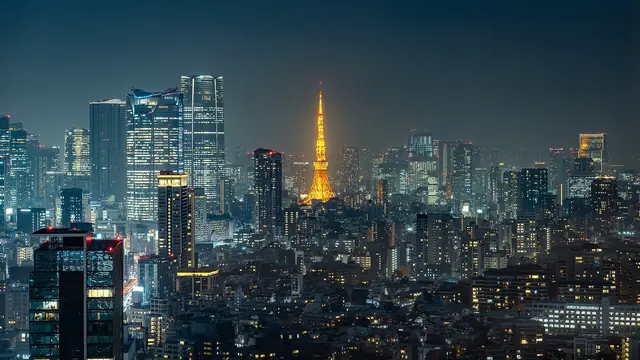
The more interesting part is the setting. Autonomous driving was long seen as a pipe dream in Japan, where the streets are narrow and crowded, and regulation is notoriously strict. Those two conditions — physical and legal — are usually cited as the reasons driverless services have lagged in Japanese cities. A company saying it will operate in Tokyo therefore reads less as a technology story than as a signal about regulation and permission.
For visitors, the practical answer today is: nothing changes yet. A service that begins "next year" is not something to build an itinerary around, and the absence of a service area means it is impossible to say whether it would cover the places tourists actually go. If and when it opens, the useful questions will be where it runs, what it costs and whether it accepts the payment methods visitors carry.
For people working with Japan — in transport, logistics, hospitality or investment — the item is worth noting as a marker of direction rather than a fact to act on. Japan's strict rules have been the barrier that kept this category small; a launch would suggest that barrier is being tested. But one report of a planned launch is not evidence that the testing has succeeded.
The honest summary is that this is a single-source announcement about a future service. The detail that would make it useful to readers — where, when, how much — is not in the evidence we have, and we will not guess at it.